
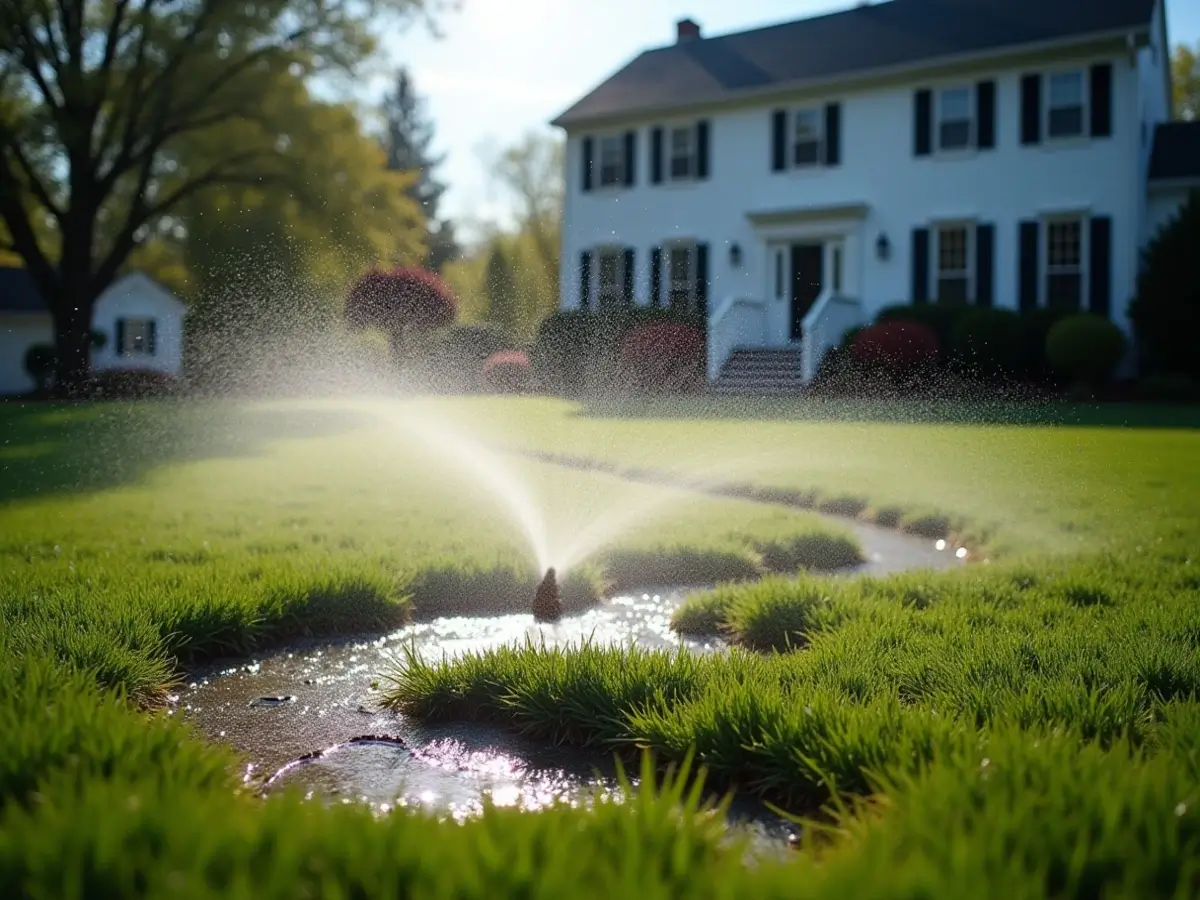

Poor drainage around a home is more than just an inconvenience; it can have significant consequences for both the structure and the health of those living inside. When water is not properly directed away from a property, it can create damp environments that attract a variety of pests, from insects to rodents. These pests are not only a nuisance but can also cause damage to the home and pose health risks to residents. Understanding the connection between drainage issues and pest infestations is crucial for homeowners who want to maintain a safe, comfortable, and pest-free living environment.
What to Expect from Poor Drainage
How Water Accumulation Attracts Pests
When water accumulates around a home due to poor drainage, it creates the perfect breeding ground for many types of pests. Mosquitoes, for example, lay their eggs in standing water, and even small puddles can support hundreds of larvae. Ants and termites are also drawn to moist soil, as it makes it easier for them to build colonies and access food sources. Rodents such as rats and mice are attracted to areas where water is readily available, and they often use damp environments as nesting sites. Over time, these pests can multiply rapidly, making it difficult to control infestations once they take hold. The presence of excess moisture also weakens the home’s foundation and wooden structures, making it easier for pests to enter and cause further damage. Homeowners may notice an increase in pest activity during rainy seasons or after heavy storms, which is often a direct result of inadequate drainage systems failing to move water away from the property.
The Role of Gutters and Downspouts
Gutters and downspouts play a critical role in managing water flow around a home. When these systems are clogged, damaged, or improperly installed, water can overflow and pool near the foundation. This not only increases the risk of water damage but also creates an environment that is highly attractive to pests. For homeowners in Rhode Island, arranging a gutter install in warwick can be an effective way to prevent water from collecting near the home and reduce the likelihood of pest infestations. Properly functioning gutters channel rainwater away from the structure, keeping the soil dry and less appealing to insects and rodents. Regular maintenance, such as cleaning out leaves and debris, is essential to ensure that gutters and downspouts continue to work efficiently. Neglecting this aspect of home care can lead to chronic moisture problems, which in turn make pest control efforts much more challenging.
Foundation Damage and Pest Entry Points
When drainage issues persist, water can seep into the foundation of a home, causing cracks and structural weaknesses. These cracks serve as entry points for a variety of pests, including ants, cockroaches, and even small mammals. Once inside, pests can exploit the damp conditions to thrive and reproduce. The presence of moisture also encourages the growth of mold and mildew, which can further attract insects that feed on organic matter. Over time, the combination of structural damage and pest activity can compromise the safety and comfort of the home. Homeowners may notice signs such as musty odors, visible mold, or increased sightings of pests in basements and crawl spaces. Addressing drainage problems early is essential to prevent these issues from escalating and to protect the integrity of the property.
Quick Impact of Standing Water
Standing water can have a noticeable impact on pest activity in as little as a few days. Mosquitoes can lay eggs and complete their life cycle rapidly, leading to a sudden increase in their population. Similarly, ants and termites are quick to exploit new sources of moisture, establishing colonies that can be difficult to remove. Even a brief period of poor drainage can set the stage for long-term pest problems if not addressed promptly.
Landscaping and Drainage Solutions
The way a yard is landscaped can significantly influence drainage and, by extension, pest problems. Sloped lawns, poorly placed flower beds, and compacted soil can all contribute to water pooling near the home. Homeowners should consider grading their yards to direct water away from the foundation and using plants that absorb excess moisture. Installing French drains or other drainage solutions can also help manage water flow and reduce the risk of standing water. Regularly inspecting the property for signs of erosion or water accumulation is important for early detection of drainage issues. By making thoughtful landscaping choices and investing in proper drainage systems, homeowners can create an environment that is less attractive to pests and more conducive to healthy plant growth.
Health Risks Associated with Pest Infestations
Pest infestations resulting from poor drainage are not just a matter of property damage; they can also pose serious health risks. Mosquitoes are known carriers of diseases such as West Nile virus and Zika, while rodents can spread bacteria and viruses through their droppings and urine. Cockroaches and ants can contaminate food supplies, leading to foodborne illnesses. Mold and mildew, which thrive in damp environments, can trigger allergies and respiratory problems, especially in children and the elderly. Addressing drainage issues is therefore an important step in protecting the health and well-being of everyone in the household. Regular pest control measures may provide temporary relief, but without resolving the underlying moisture problems, infestations are likely to recur.
When chronic dampness persists, localized treatments may offer brief respite, but addressing structural attractors remains the most reliable long-term solution. Homeowners seeking definitive resolutions can benefit from professional Pest Control Newark NJ to eliminate established colonies and secure vulnerable entry points. Combining proactive moisture management with comprehensive inspection practices helps secure the home against seasonal infestations while protecting overall indoor air quality.
Conclusion
Proper drainage is a fundamental aspect of home maintenance that directly impacts pest control and the overall health of a property. When water is allowed to accumulate around a home, it creates conditions that are highly attractive to a wide range of pests, from insects to rodents. These pests can cause significant damage to the structure, contaminate food and living spaces, and pose health risks to residents. By ensuring that gutters, downspouts, and landscaping are all designed to move water away from the home, homeowners can greatly reduce the likelihood of pest infestations. Addressing drainage issues promptly not only protects the property but also contributes to a safer and more comfortable living environment for everyone.